

 By
By Introduction
In modern home improvement, the smallest design details often create the greatest impact. As homeowners increasingly embrace organic textures, biophilic design, and minimalist aesthetics, one decorative element continues to stand out: pyntekvister.
They are natural or artificial decorative branches used to add height, movement, and texture to both interior and exterior spaces. Whether arranged in a tall ceramic vase, styled as part of a seasonal display, or integrated into outdoor landscaping, these branches bring a refined yet organic character to any setting.
What makes Pyntekvister so powerful is their versatility. They work beautifully in Scandinavian-inspired homes, contemporary apartments, rustic farmhouses, and even commercial interiors. In this comprehensive guide, you’ll learn how to choose the right branches, style them effectively, avoid common mistakes, and use them as a practical yet elegant home improvement solution.
What are pyntekvister, and why are they so popular?
“Pyntekvister” refers to decorative branches used as design elements in homes and gardens. Unlike traditional floral arrangements that rely heavily on color, decorative branches emphasize structure, verticality, and texture.
Their popularity has grown alongside trends like minimalism and sustainable living. Designers increasingly prefer natural elements that create calm, balanced environments. Branches offer sculptural beauty without overwhelming a room. They are commonly used in:
- Tall floor vases to fill empty vertical space
- Table centerpieces for subtle elegance
- Entryway styling to create a strong first impression
The appeal lies in their simplicity. A few well-chosen branches can transform a plain corner into a visually dynamic feature. They are also adaptable to every season, making them a cost-effective and long-lasting decorative investment.
Natural vs. Artificial Pyntekvister: Making the Right Choice
Choosing between natural and artificial branches depends on lifestyle, budget, and maintenance expectations.
Natural pintekvister provides authentic texture and subtle imperfections that enhance organic aesthetics. However, they may require drying, preservation, or seasonal replacement. Artificial options, on the other hand, offer durability and consistency, especially in climates where fresh branches are difficult to source.
Below is a helpful comparison
| Feature | Natural Branches | Artificial Branches |
| Appearance | Authentic and organic | Highly realistic (quality varies) |
| Maintenance | Moderate | Very low |
| Longevity | Seasonal | Long-term |
| Sustainability | Biodegradable | Depends on materials |
| Allergy-friendly | Not always | Yes |
If you enjoy refreshing your décor regularly, natural branches are ideal. If you prefer long-term convenience, high-quality artificial pyntekvister may be the better option.
Interior Styling Ideas with Pyntekvister
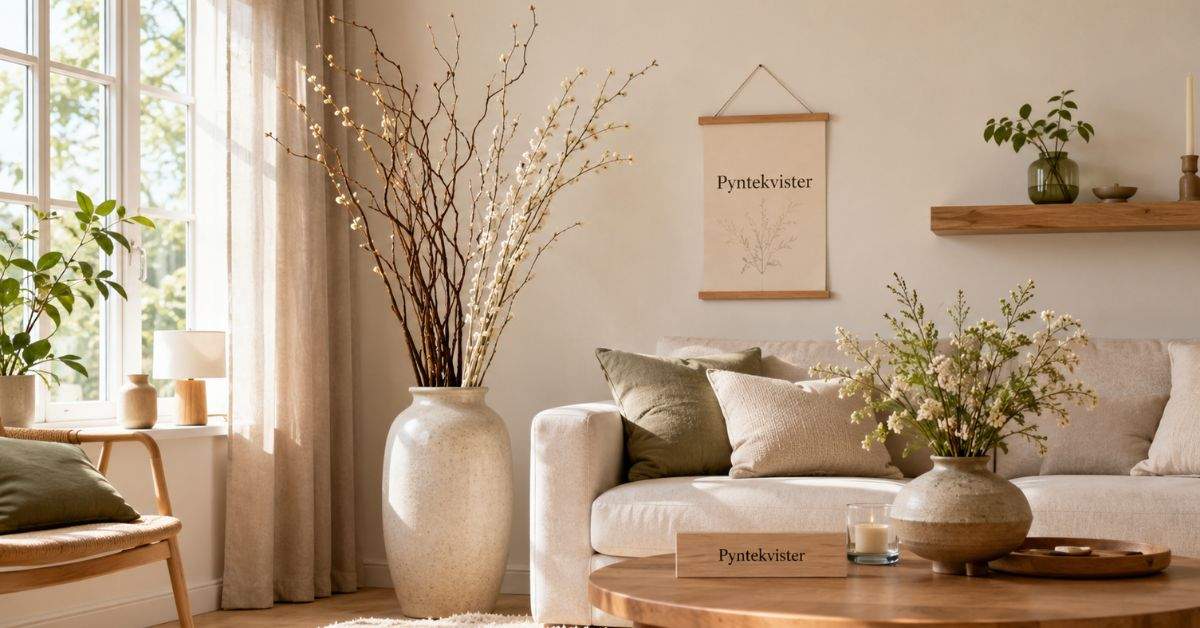
Decorative branches can dramatically enhance indoor spaces by adding height and sculptural form. In rooms with high ceilings, they prevent spaces from feeling empty. In smaller rooms, they draw the eye upward, creating a sense of openness.
In the living room, a tall arrangement beside a sofa or near a fireplace can anchor the space. In dining rooms, a carefully styled centerpiece provides elegance without obstructing conversation. Bedrooms benefit from softer branches such as eucalyptus, which introduce a calming atmosphere.
For best results
- Keep arrangements asymmetrical for a natural look
- Avoid overcrowding the stems
- Align the tones of the branches with your current color scheme.
Interior designers often emphasize proportion. The vase should complement the scale of the room, and the branches should extend high enough to create presence without overwhelming the space.
Using Pyntekvister in Outdoor Landscaping
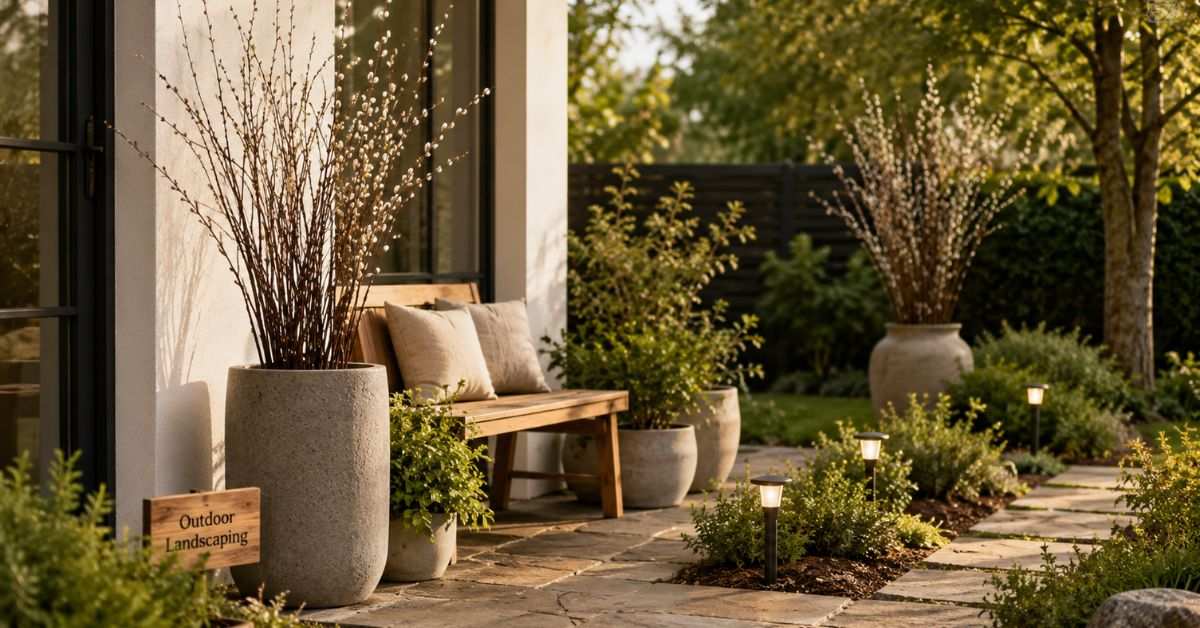
Pyntekvister are equally valuable outdoors. They add vertical interest to patios, balconies, and garden corners where traditional plants may struggle to grow.
Large decorative pots filled with tall branches can frame entryways beautifully. In colder climates, frosted artificial branches maintain aesthetic appeal even when natural greenery fades.
Outdoor applications may include
- Accent planters on terraces
- Garden pathway markers
- Decorative screening elements
When selecting branches for outdoor use, durability is key. Weather-resistant materials ensure they withstand wind, rain, and temperature changes.
Seasonal Decorating with Decorative Branches
One of the greatest strengths of Pyntekvister is their adaptability across seasons. Instead of replacing entire décor setups, you can simply swap branches to reflect the time of year.
Spring often features light blossoms such as cherry or budding willows. Summer styling leans toward airy eucalyptus or pale-toned branches. Autumn introduces warmer hues, while winter highlights frosted or minimalist birch stems.
A practical example: A homeowner in Oslo used one neutral ceramic vase year-round and rotated seasonal branches. Over a year, this reduced decorative spending significantly while maintaining a fresh interior look.
Seasonal flexibility makes Pyntekvister a smart long-term investment.
Choosing the Perfect Vase and Base
The vase plays a critical role in achieving balance. A poorly chosen container can make even beautiful branches look unstable or disproportionate.
A general rule is that the vase should account for roughly one-third of the total arrangement height. Heavier bases provide stability for tall stems, especially in high-traffic areas.
Popular materials include ceramic for modern interiors, glass for lightness, and stoneware for rustic themes. The key is harmony, your vase should feel like a natural extension of the room’s design.
DIY Projects and Creative Enhancements
For those who enjoy hands-on home improvement, pyntekvister offers creative possibilities. They are easy to customize and adapt to personal style.
Some popular DIY approaches
- Spray-painting branches in matte black or metallic finishes
- Wrapping subtle LED lights for evening ambiance
- Creating seasonal wreaths using smaller twigs
Here’s a simple budget comparison
| DIY Project | Estimated Cost | Skill Level |
| Painted Branch Display | $20–30 | Beginner |
| Lighted Winter Branch | $30–40 | Intermediate |
| Wall-Mounted Installation | $40–60 | Intermediate |
These projects allow homeowners to experiment with texture and color without major renovation costs.
Sustainability and Eco-Conscious Decorating
As sustainability becomes a priority in home improvement, Pyntekvister aligns well with eco-friendly values. Responsibly sourced natural branches are biodegradable and require minimal processing.
Artificial branches, while not biodegradable, can reduce repeated seasonal purchases when chosen for durability. According to the U.S. Environmental Protection Agency (epa.gov), long-lasting décor choices contribute to waste reduction.
To maximize sustainability
- Source branches locally when possible
- Choose high-quality artificial materials for longevity.
- Avoid chemically treated decorative wood
Making thoughtful purchases guarantees that your décor improves your house without endangering the environment.
Common Styling Mistakes to Avoid
Despite their simplicity, decorative branches can look awkward if not styled carefully. Overcrowding is one of the most frequent mistakes. Too many stems create visual chaos rather than elegance.
Another issue is scale imbalance. Extremely tall branches in a small room may feel overpowering, while short stems in a large space appear insignificant.
Keep in mind
- Maintain proportional height
- Use odd-numbered arrangements
- Avoid mixing too many textures.
Minimalism often delivers the strongest visual impact.
Future Trends in Pyntekvister and Home Design
The future of home improvement continues to embrace biophilic design integrating nature into indoor spaces. Decorative branches naturally support this trend by introducing organic structure without overwhelming color.
Emerging trends include oversized statement branches, neutral-toned dried botanicals, and sculptural installations that blur the line between art and decor. Scandinavian and Japandi aesthetics especially favor this approach.
As homeowners prioritize calm and wellness-focused interiors, pyntekvister remains a timeless design solution that adapts effortlessly to evolving styles.
FAQs
How long do natural pinekvisters last indoors?
Dried branches can last several months to over a year when kept away from moisture and direct sunlight.
Are decorative branches suitable for small apartments?
Yes. Slim vertical arrangements actually make small spaces feel taller and more open.
Can I mix natural and artificial branches?
Absolutely. Many designers combine both for texture variation and long-term durability.
How do I secure tall branches in a vase?
Use heavy bases, decorative stones, or floral foam to ensure stability.
Are Pyntekvister expensive?
They are generally affordable compared to large decorative furniture or renovation upgrades, making them a cost-effective improvement choice.
Conclusion
Pyntekvister offers a simple yet sophisticated way to enhance your home. By introducing natural or artificial decorative branches into your interior or outdoor spaces, you add height, texture, and seasonal flexibility without significant cost or renovation.
From living room focal points to garden accents, decorative branches provide both aesthetic beauty and practical versatility. Their compatibility with sustainable design trends, minimalist styling, and modern home improvement makes them an enduring favorite among homeowners and designers alike.
If you’re looking for an elegant upgrade that delivers maximum visual impact with minimal effort, pyntekvister may be exactly what your space needs.