

 By
By Introduction
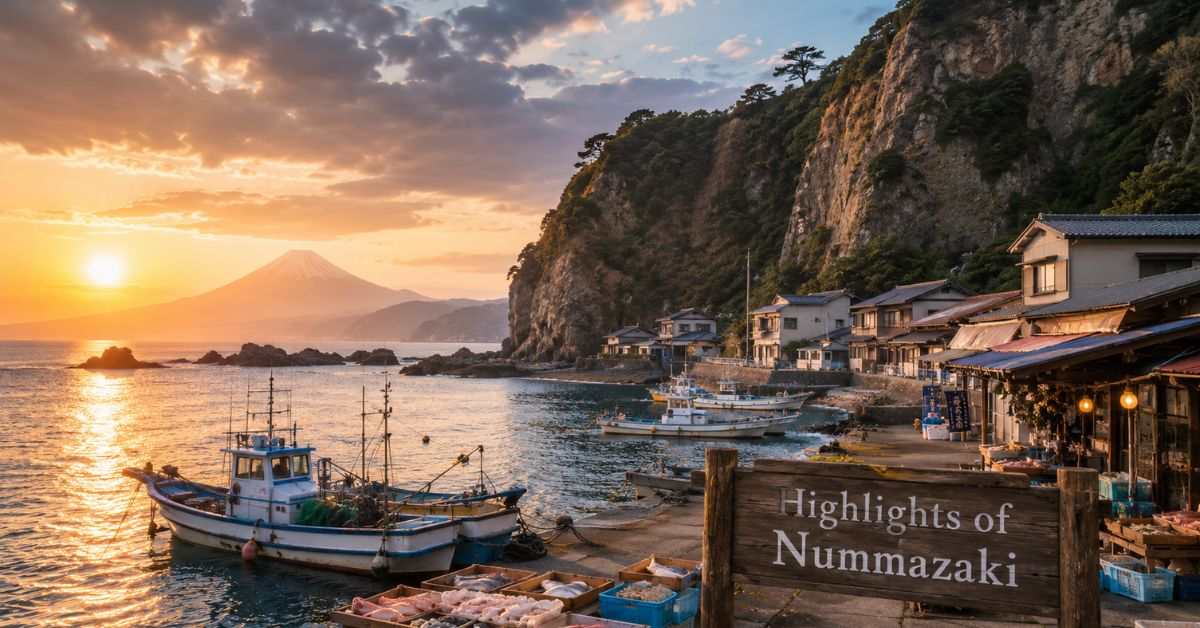
Tucked along the dramatic coastline of Suruga Bay in Shizuoka Prefecture, Nummazaki is one of Japan’s most captivating yet underexplored seaside destinations. While many travelers flock to Tokyo, Kyoto, or even the nearby Izu Peninsula, those who venture toward this coastal gem are rewarded with breathtaking ocean cliffs, Mount Fuji views, fresh-from-the-bay seafood, and peaceful fishing villages that preserve centuries-old traditions. The highlights of Nummazaki are not just scenic; they offer a deeply immersive cultural and sensory experience.
In a time when travelers increasingly seek authentic, crowd-free destinations, Nummazaki stands out as a place where nature, cuisine, and community intersect beautifully. Whether you’re planning a relaxing onsen retreat, a photography-focused getaway, or a culinary journey through Japan’s coastal flavors, this guide will help you uncover the very best of Nummazaki.
From hidden viewpoints to local seafood specialties, you’ll discover why this Suruga Bay treasure deserves a place on your travel itinerary.
Dramatic Coastal Cliffs of Nummazaki
Nummazaki’s coastline is one of its most iconic features. Formed by volcanic activity and shaped by Pacific winds, the cliffs create dramatic seascapes that rival more famous Japanese coastal spots.
These rugged formations provide panoramic views of Suruga Bay and, on clear days, Mount Fuji rising majestically in the background.
Key Features of the Coastal Cliffs
- Sheer rock faces plunging into deep blue waters
- Walking trails with scenic observation decks
- Seasonal wildflowers in spring
- Sunset viewpoints perfect for photography
- Natural rock formations carved by waves
The cliffs are especially popular with:
- Landscape photographers
- Hikers seeking moderate coastal trails
- Couples looking for romantic sunset views
- Nature lovers exploring marine ecosystems
Travel Tip: Visit during early morning or late afternoon for the best lighting conditions and fewer visitors.
Compared to busier coastal destinations like the Izu Peninsula, Nummazaki’s cliffs remain relatively uncrowded making them ideal for peaceful exploration.
Fresh Seafood and Local Cuisine
One of the undeniable highlights of Nummazaki is its seafood. Thanks to its location on Suruga Bay, Japan’s deepest bay, the region offers exceptional marine diversity. Suruga Bay is known for:
- Sakura shrimp (sakura ebi)
- Shirasu (whitebait)
- Fresh tuna
- Horse mackerel
- Squid and shellfish
Must-Try Dishes
- Sakura ebi tempura
- Shirasu rice bowls
- Assorted sashimi platters
- Grilled whole fish (local catch)
- Seafood hotpot (kaisen nabe)
Many restaurants source their ingredients directly from local fishermen, ensuring freshness and supporting the community.
Nummazaki vs. Other Seafood Destinations
| Feature | Nummazaki | Tsukiji (Tokyo) | Hakodate |
| Crowd Level | Low–Moderate | Very High | Moderate |
| Price Range | Affordable | Premium | Moderate |
| Freshness | Direct from Bay | Auction-based | Local port |
| Atmosphere | Traditional coastal | Urban market | Port city vibe |
If you value authenticity and calm dining experiences, Nummazaki offers a more intimate seafood journey.
Authentic Fishing Villages
Beyond scenic beauty, the fishing villages are among the most culturally enriching highlights of Nummazaki.
These villages maintain traditions passed down for generations, preserving Japan’s maritime heritage. What You’ll Experience:
- Early morning fish auctions
- Traditional wooden boats
- Fishermen repairing nets
- Small family-run seafood eateries
- Community festivals tied to fishing seasons
Travelers interested in slow tourism can:
- Join guided harbor walks
- Participate in seafood preparation workshops
- Stay in local guesthouses (minshuku)
These villages offer a glimpse into daily coastal life far removed from metropolitan Japan.
Relaxing Ocean-View Hot Springs
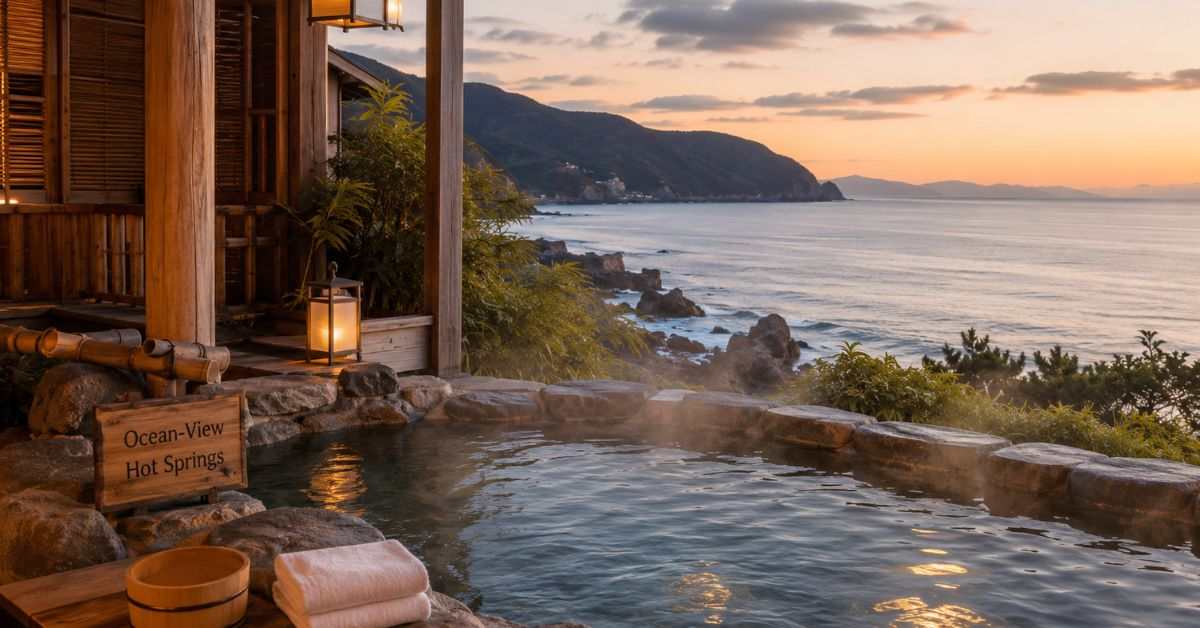
After exploring cliffs and villages, soaking in a hot spring is the perfect reward. Nummazaki features several seaside onsen offering mineral-rich waters and stunning views. Hot springs in this region are known for:
- Relaxing muscles after hiking
- Improving circulation
- Soothing skin
- Reducing stress
Types of Onsen Available
- Open-air baths (rotenburo) overlooking the ocean
- Traditional indoor bathhouses
- Private reservable baths
- Ryokan-attached hot springs
Many facilities follow traditional bathing etiquette, so visitors should familiarize themselves with basic onsen rules.
According to the Japan National Tourism Organization (JNTO), onsen bathing has long been considered both a cultural and therapeutic experience.
Nummazaki’s ocean-view baths add another dimension: watching waves crash while immersed in warm mineral water.
Mount Fuji Views from Suruga Bay
One of the most magical highlights of Nummazaki is its perspective of Mount Fuji across Suruga Bay.
Unlike views from crowded Lake Kawaguchi, Nummazaki offers the following:
- Unique sea-and-mountain compositions
- Fewer tourists
- Clear sunrise reflections
- Seasonal snow-capped Fuji views
Best Viewing Conditions
- Early morning (before 9 AM)
- Winter months for clearer air
- After rain when visibility improves
Photographers especially appreciate the combination of the following:
- Ocean foreground
- Fishing boats
- Mount Fuji silhouette
This rare coastal Fuji view makes the highlights of Nummazaki a hidden gem for landscape enthusiasts.
Scenic Walking Trails and Nature Exploration
Outdoor lovers will find several scenic trails weaving through cliffs, forests, and shorelines. These trails vary in difficulty, making them accessible to:
- Casual walkers
- Experienced hikers
- Families with children
Trail Highlights
- Cliff-edge paths with safety rails
- Forested routes connecting villages
- Birdwatching opportunities
- Seasonal cherry blossoms
- Coastal flora and marine life
Local conservation efforts help preserve the ecosystem, ensuring sustainable tourism. If you enjoy eco-tourism and responsible travel, Nummazaki provides a balanced blend of accessibility and natural preservation.
Seasonal Festivals and Cultural Events
Timing your visit around local festivals enhances your experience.
Fishing communities celebrate
- Seasonal catches
- Maritime safety rituals
- Summer fireworks festivals
- Shrine ceremonies
Festival Highlights
- Lantern-lit harbor events
- Traditional dance performances
- Seafood tasting booths
- Community parades
These events foster strong community participation and offer travelers deeper cultural immersion.
Best Time to Visit Nummazaki
Choosing the right season significantly affects your experience.
Seasonal Comparison Table
| Season | Weather | Best For | Crowd Level |
| Spring | Mild, cherry blossoms | Hiking & photography | Moderate |
| Summer | Warm, lively festivals | Beach & seafood | Higher |
| Autumn | Cool, clear skies | Fuji views & walks | Low–Moderate |
| Winter | Crisp, fewer tourists | Onsen & photography | Low |
For balanced weather and fewer crowds, autumn is often ideal.
Accessibility and Travel Tips
Highlights of Nummazaki are accessible via:
- JR trains from Tokyo (approx. 1.5–2 hours)
- Bus connections from Numazu Station
- Rental cars for coastal exploration
Travel Tips
- Bring comfortable walking shoes
- Carry cash for small eateries
- Learn basic Japanese phrases
- Respect local customs
Planning ahead ensures smoother travel, especially in rural areas.
Sustainable and Responsible Tourism
Sustainability is increasingly important in travel today.
Nummazaki encourages
- Supporting local fishermen
- Staying in family-run accommodations
- Minimizing plastic waste
- Respecting marine ecosystems
Responsible tourism preserves the region’s beauty for future generations. Travelers can contribute by:
- Choosing local seafood
- Participating in guided eco-tours
- Following designated walking paths
FAQs
Where is Nummazaki located?
Nummazaki is located along Suruga Bay in Shizuoka Prefecture, Japan.
What is Nummazaki best known for?
It’s known for coastal cliffs, fresh seafood, ocean-view hot springs, and fishing villages.
Is Nummazaki suitable for international tourists?
Yes. While English signage may be limited, it’s welcoming and manageable with basic planning.
How many days should I spend in Nummazaki?
A 2–3 day trip allows time for sightseeing, seafood dining, and relaxing in onsen.
Are the Highlights of Nummazaki crowded?
Compared to major tourist hubs, it remains relatively uncrowded.
Conclusion
The highlights of Nummazaki showcase the perfect blend of coastal drama, culinary excellence, cultural authenticity, and wellness experiences. From towering sea cliffs and fresh seafood markets to tranquil hot springs and Mount Fuji views, this Suruga Bay destination offers a deeper, slower, and more meaningful travel experience.
In an era where overtourism affects many popular destinations, Highlights of Nummazaki remains refreshingly genuine. It’s a place where you can walk along rugged cliffs without crowds, savor seafood straight from the bay, and soak in ocean-view onsen while watching the sunset.
If you’re planning your next Japan adventure, consider stepping off the beaten path. Nummazaki might just become your favorite hidden coastal treasure.