

 By
By Introduction
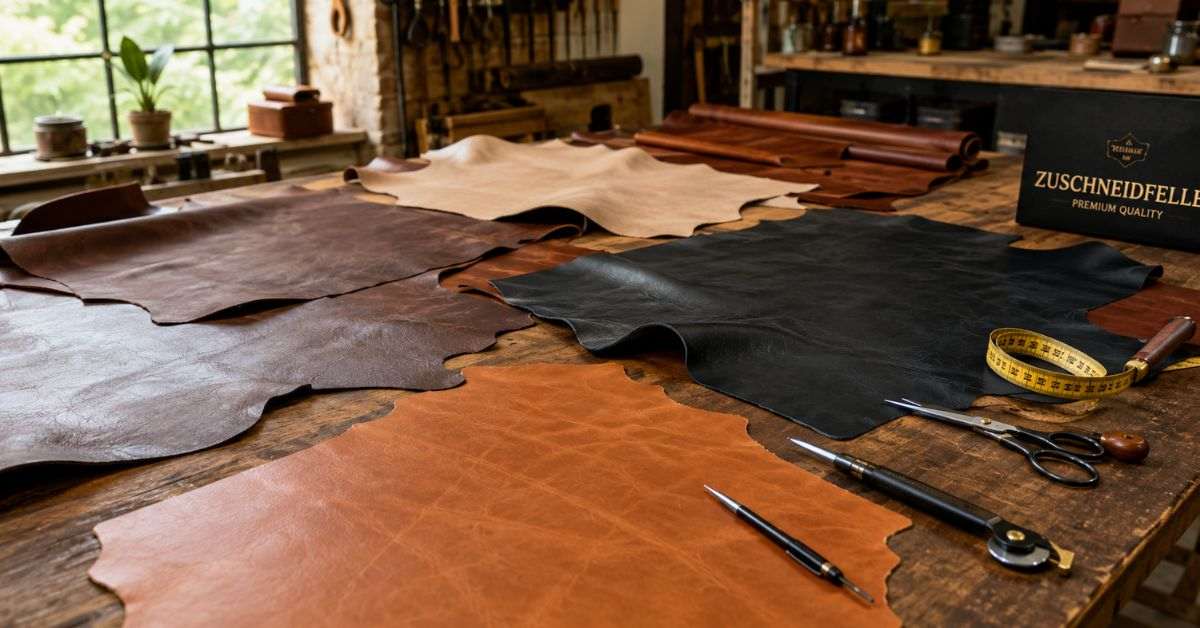
Zuschneidfelle translated as “cutting hides” or “cut-to-size leather and fur” represents a refined intersection of craftsmanship, material science, and precision manufacturing. In today’s world of bespoke fashion, luxury interiors, sustainable design, and handmade goods, high-quality, pre-cut leather and fur pieces have become essential for both artisans and large-scale producers.
Whether you are a leatherworker crafting premium bags, an upholsterer restoring furniture, or a fashion designer seeking perfectly measured fur panels, choosing the right Zuschneidfelle can dramatically influence your final product’s durability, aesthetic appeal, and value.
This comprehensive guide explores everything you need to know about Zuschneidfelle from material types and cutting standards to sustainability, pricing, and real-world applications. By the end of this article, you’ll understand how to select, evaluate, and use cut-to-size hides effectively while aligning with modern quality and ethical standards.
Let’s dive into the world where precision meets heritage craftsmanship.
What sind Zuschneidfelle? Definition and Core Concept
At its core, Zuschneidfelle refers to hides or pelts that have been professionally processed and cut into specific sizes for direct application. Unlike raw hides, these materials are prepared to meet exact dimensions and quality criteria.
Zuschneidfelle are commonly used in the following:
- Luxury fashion manufacturing
- Automotive and furniture upholstery
- Traditional crafts and handmade goods
- Interior decoration projects
- Custom leather accessories
Key Characteristics of Zuschneidfelle
- Pre-measured dimensions for efficient production
- Graded quality standards (A, B, and C classifications)
- Surface treatment options (vegetable-tanned, chrome-tanned, dyed)
- Minimal waste design, improving sustainability
- Consistency in thickness and texture
Unlike bulk hides that require trimming and waste management, cut-to-size leather saves time and reduces material loss—making it both economically and environmentally beneficial.
In today’s precision-driven industries, Zuschneidfelle streamlines workflow while maintaining premium quality standards.
Types of Zuschneidfelle: Leather and Fur Varieties
Understanding material variety is crucial before purchasing Zuschneidfelle. Each type offers different durability, texture, and aesthetic characteristics.
Common Leather Types
- Cowhide: Durable, versatile, widely used in upholstery and fashion
- Calfskin: Softer, finer grain, luxury accessories
- Goatskin: Flexible, lightweight, resistant to wear
- Sheepskin: Soft texture, often used for garments
- Exotic leathers: Crocodile, ostrich, and others for luxury goods
Fur-Based Zuschneidfelle
- Shearling: Warm and insulating
- Fox fur: Luxurious and soft
- Rabbit fur: Lightweight and economical
- Mink: High-end fashion applications
Each type varies in thickness, grain structure, and durability. For example, cowhide is ideal for furniture, while calfskin suits small leather goods like wallets and belts.
Selecting the correct material ensures your final product meets both functional and aesthetic goals.
Quality Grading and Selection Criteria
Not all Zuschneidfelle are equal. Quality grading plays a critical role in determining suitability.
Grading Factors
- Surface imperfections (scars, scratches)
- Uniformity of color
- Thickness consistency
- Fiber density
- Flexibility and tensile strength
Quality Grades Explained
| Grade | Description | Best Use Case |
| Grade A | Minimal imperfections | Luxury goods |
| Grade B | Minor natural marks | Mid-range fashion |
| Grade C | Visible defects | Utility products |
Professionals often inspect hides under natural light to detect flaws. Premium Zuschneidfelle maintains uniform grain and requires minimal corrective finishing.
Selecting higher-grade material reduces production waste and enhances product longevity.
Manufacturing Process: From Hide to Cut-to-Size
The transformation of raw hides into Zuschneidfelle involves multiple precise steps.
Processing Stages
- Raw hide preservation (salting or cooling)
- Tanning process (vegetable or chrome)
- Drying and conditioning
- Thickness splitting and shaving
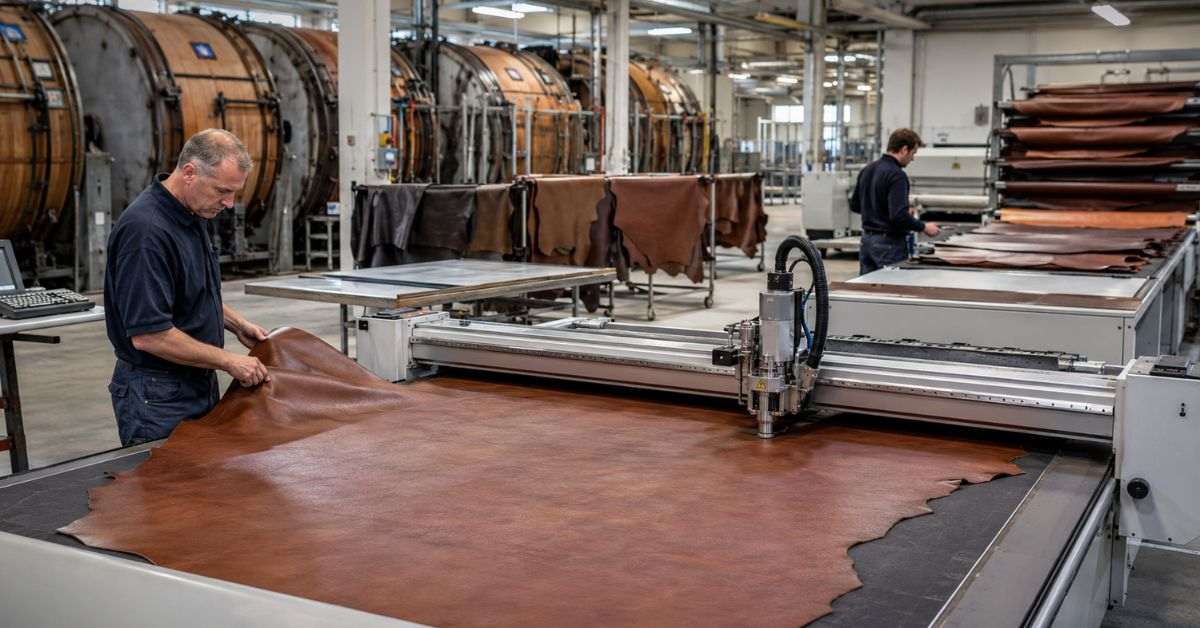
- Precision cutting using CNC or manual techniques
- Quality inspection and packaging
Modern manufacturers use laser-guided cutting systems to ensure dimensional accuracy. This ensures:
- Reduced waste
- Faster production cycles
- Consistent sizing
Vegetable tanning, a traditional method, uses natural tannins and produces eco-friendlier leather, while chrome tanning offers flexibility and water resistance.
Understanding this process helps buyers evaluate supplier credibility.
Applications Across Industries
Zuschneidfelle are versatile and widely applied across sectors.
Fashion Industry
- Jackets, handbags, belts
- Footwear components
- Fur-trimmed garments
Furniture & Interior Design
- Sofa upholstery
- Decorative panels
- Wall coverings
Automotive Sector
- Premium car seats
- Steering wheel wraps
- Dashboard coverings
Craft & DIY Market
- Wallet making
- Knife sheaths
- Custom saddlery
Their precision cut reduces preparation time, making them ideal for professional environments.
Sustainability and Ethical Sourcing
Sustainability has become central in the leather and fur industries. Responsible Zuschneidfelle production aligns with environmental and ethical standards.
Sustainable Practices
- Finding hides that are leftover from the meat business
- Vegetable tanning methods
- Waste-reduction cutting systems
- Certified supply chains (e.g., Leather Working Group standards)
According to the Leather Working Group (LWG), certified tanneries reduce water and energy usage significantly.
Ethical Considerations
- Transparent sourcing
- Compliance with animal welfare laws
- Eco-friendly dyes and finishes
Choosing responsibly sourced materials enhances brand reputation and consumer trust.
Cost Analysis and Value Comparison
Pricing varies depending on grade, origin, and tanning process.
Average Price
| Type | Price per m² (Approx.) | Durability | Ideal For |
| Cowhide | €30–€70 | High | Upholstery |
| Calfskin | €60–€120 | Medium-High | Luxury goods |
| Sheepskin | €40–€90 | Medium | Apparel |
| Exotic Leather | €150+ | Very High | Premium products |
Higher upfront costs often result in longer lifespans and lower replacement rates. Investing in quality Zuschneidfelle can reduce long-term production expenses.
Custom Furniture Workshop
Case Study: Munich-Based Furniture Atelier
A boutique furniture maker shifted from raw hides to pre-cut Zuschneidfelle.
Results After 6 Months
- 22% reduction in material waste
- 18% faster production cycles
- Improved client satisfaction
- Lower labor costs
This transition allowed the workshop to scale operations while maintaining craftsmanship standards.
Precision cutting improved pattern consistency and reduced error margins.
Storage, Maintenance, and Care
Proper storage ensures longevity.
Storage Guidelines
- Keep in cool, dry environments
- Avoid direct sunlight
- Maintain humidity between 40 and 60%
- Store flat or rolled (never folded)
Maintenance Tips
- Use leather conditioners
- Avoid excessive moisture
- Clean with pH-neutral products
- For fur, brush gently and store in breathable bags.
Well-maintained Zuschneidfelle retained flexibility and aesthetic appeal for years.
How to Choose the Right Supplier
Choosing a reliable supplier determines overall success.
What to Look For
- Transparent sourcing policies
- Quality certifications (LWG, ISO)
- Sample availability
- Consistent grading standards
- Positive industry reputation
Questions to Ask
- What tanning methods are used?
- Are materials ethically sourced?
- What is the return policy?
- Is custom sizing available?
Working with reputable suppliers ensures consistent quality and reduces business risk.
FAQs
What does “Zuschneidfelle” mean in English?
It translates to “cut-to-size hides” or pre-cut leather and fur prepared for manufacturing use.
Are Zuschneidfelle more expensive than raw hides?
They may have a higher initial price, but reduced waste and labor often lower overall production costs.
Is vegetable-tanned leather better?
Vegetable tanning is eco-friendlier and develops a natural patina, making it ideal for premium products.
How can I verify ethical sourcing?
Look for certifications like Leather Working Group (LWG) and supplier transparency reports.
What industries benefit most from Zuschneidfelle?
The fashion, automotive, upholstery, and handcrafted goods industries benefit significantly from precision-cut hides.
Conclusion
Zuschneidfelle embodies precision, heritage craftsmanship, and modern efficiency. From luxury fashion houses to independent artisans, cut-to-size leather and fur offer measurable advantages reduced waste, consistent quality, and streamlined production.
Understanding material types, grading systems, sustainability standards, and supplier credibility empowers you to make informed decisions. Whether you are investing in cowhide for furniture or premium calfskin for luxury accessories, selecting high-quality Zuschneidfelle ensures durability and refined aesthetics.
As sustainability and precision manufacturing continue shaping modern industries, responsibly sourced and expertly cut hides will remain central to excellence in design and production.