

 By
By Introduction
Fittnesskläder are no longer just gym essentials, they’re a lifestyle statement. In 2026, activewear has become one of the most versatile wardrobe categories, blending performance technology with everyday fashion. Whether you’re lifting weights, flowing through yoga, running errands, or working remotely, the right fitness clothing can dramatically improve your comfort, confidence, and performance.
But with so many materials, fits, brands, and trends available, how do you choose wisely? Should you prioritise compression or flexibility? Is moisture-wicking really necessary? Can workout clothes double as casual wear?
This guide answers all those questions and more. You’ll learn how to select fittnesskläder based on comfort, movement, sweat control, durability, and style, while ensuring you invest in pieces that truly fit your lifestyle. Backed by textile science, industry insights, and practical experience in lifestyle and wellness coaching, this article provides a comprehensive, user-focused roadmap to building your ideal activewear wardrobe in 2026.
Why Fitness Clothes Matter in Modern Lifestyles
Fittnesskläder are more than trendy gym outfits, they influence how you move, perform, and feel daily. In today’s hybrid lifestyle, where work, fitness, and social life blend together, versatile activewear has become essential.
Modern fitness clothing combines textile engineering with ergonomic design. Brands invest heavily in fabric research to enhance breathability, flexibility, and durability.
Why quality fittnesskläder matter
- Improve athletic performance through compression and support
- Reduce chafing and irritation during movement
- Regulate body temperature during intense workouts
- Enhance posture with structured fits
- Boost confidence through flattering designs
Research from textile performance studies (such as those referenced by the Textile Research Journal) shows moisture-wicking fabrics significantly reduce skin discomfort during high-intensity exercise.
Beyond the gym, athletes’ culture has transformed how we dress. High-quality leggings, joggers, and performance tops now transition seamlessly from workouts to cafés and coworking spaces.
Investing in the right activewear isn’t vanity, it’s functionality. When your clothing supports your movement, you’re more likely to stay consistent with healthy habits.
Choosing the Right Fabric for Comfort & Sweat Control
Fabric selection is the foundation of excellent fittnesskläder. The wrong material can trap sweat, restrict motion, or lose shape quickly.
Performance fabrics are designed to manage moisture, stretch dynamically, and withstand repeated washing.
Common Fabric Comparison
| Fabric Type | Best For | Pros | Cons |
| Polyester | HIIT, running | Moisture-wicking, durable | Can retain odor |
| Nylon | Yoga, stretching | Soft, flexible, lightweight | Less breathable than cotton |
| Cotton blends | Low-intensity workouts | Comfortable, breathable | Absorbs sweat |
| Elastane/Spandex | Compression wear | High stretch, shape retention | Usually blended only |
| Bamboo blends | Lifestyle & light training | Eco-friendly, antibacterial | Less durable |
Key fabric features to look for:
- Moisture-wicking technology
- Four-way stretch
- Anti-odour treatment
- Quick-dry capability
- Flatlock seams to prevent chafing
For intense training, polyester-spandex blends are ideal. For lifestyle wear, bamboo or cotton blends offer softness and breathability.
The key is matching fabric performance to activity intensity.
Fit & Mobility: How to Move Without Restrictions
Ill-fitting fittnesskläder can limit your performance and cause discomfort. Proper fit ensures freedom of movement and reduces injury risk.
Activewear should feel like a second skin supportive but not restrictive.
Fit considerations
- High-rise leggings for core support
- Tapered joggers for running
- Relaxed-fit tops for mobility
- Compression shorts for muscle stabilisation
- Seam placement to prevent rubbing
Mobility tests you can try in-store:
- Perform a squat
- Raise arms overhead
- Bend forward
- Twist at the waist
If the garment pulls, rides up, or becomes sheer, it’s not the right fit.
Compression garments may improve blood circulation during workouts, according to sports medicine findings published in the Journal of Strength and Conditioning Research. Choose fit based on activity type, not just style trends.
Sweat Management & Breathability in 2026

Sweat control technology has advanced significantly in recent years. Modern fittnesskläder integrates ventilation panels and smart textiles.
Excess sweat can cause the following:
- Skin irritation
- Odour buildup
- Discomfort
- Reduced performance
Breathability features to look for:
- Mesh panels in high-heat areas
- Laser-cut ventilation
- Antimicrobial treatments
- Quick-drying fibres
- Lightweight construction
For runners and HIIT enthusiasts, breathable fabrics are essential. Yoga practitioners may prioritise softness over extreme ventilation.
Proper sweat management also increases garment longevity since trapped moisture weakens fibres over time. In 2026, many brands incorporate odour-resistant technology using silver-ion or plant-based treatments.
Style Meets Function: The Rise of Athleisure
Fittnesskläder are now everyday essentials. Athleisure merges fashion and performance, making it possible to go from gym to grocery store seamlessly.
Athleisure essentials
- Matching sets
- Oversized hoodies
- Neutral-toned leggings
- Performance sneakers
- Cropped jackets
Case Study
A 2025 retail survey showed 62% of consumers prefer buying activewear that doubles as casual wear. When choosing lifestyle-ready pieces:
- Opt for neutral or earthy colours
- Choose structured silhouettes
- Avoid overly technical designs for daily wear
- Invest in wrinkle-resistant fabrics
Versatility saves money and simplifies wardrobe planning.
Sustainable & Eco-Friendly Fitnesskläder
Sustainability is a major focus in 2026. Consumers demand ethical production and eco-conscious fabrics.
Eco-friendly materials
- Recycled polyester (rPET)
- Organic cotton
- Bamboo viscose
- TENCEL™ lyocell
Benefits
- Reduced environmental footprint
- Lower water usage
- Biodegradable fibres
- Ethical labour practices
Brands certified by organisations like the Global Organic Textile Standard (GOTS) ensure transparency. Sustainable fittnesskläder may cost more upfront but offer long-term value and durability.
Seasonal Activewear: Dressing for Weather
Climate impacts performance and comfort. Seasonal layering is key.
Summer essentials
- Lightweight tanks
- Breathable shorts
- UV-protection fabrics
Winter essentials
- Thermal leggings
- Fleece-lined jackets
- Moisture-wicking base layers
Layering strategy
- Moisture-wicking base
- Insulating middle
- Weather-resistant outer
Season-specific clothing enhances safety and comfort during outdoor activities.
Budget vs Premium: Is Expensive Better?
Price often reflects technology, durability, and brand reputation—but not always.
Comparison Table
| Feature | Budget Activewear | Premium Activewear |
| Fabric Quality | Basic blends | Advanced textiles |
| Durability | 6–12 months | 2–3 years |
| Fit Engineering | Standard sizing | Ergonomic design |
| Sustainability | Limited | Certified options |
| Price Range | $20–$50 | $80–$150+ |
Premium pieces often last longer, reducing cost per wear. Invest in high-impact items like leggings and sports bras. Save on trend pieces.
Care & Maintenance for Longevity
Proper care extends garment life.
Washing tips
- Wash cold
- Avoid fabric softener
- Air dry when possible.
- Turn garments inside out
- Wash similar fabrics together
Avoid high heat, which damages elastane fibres. Following care instructions can double lifespan.
Building a Capsule Activewear Wardrobe
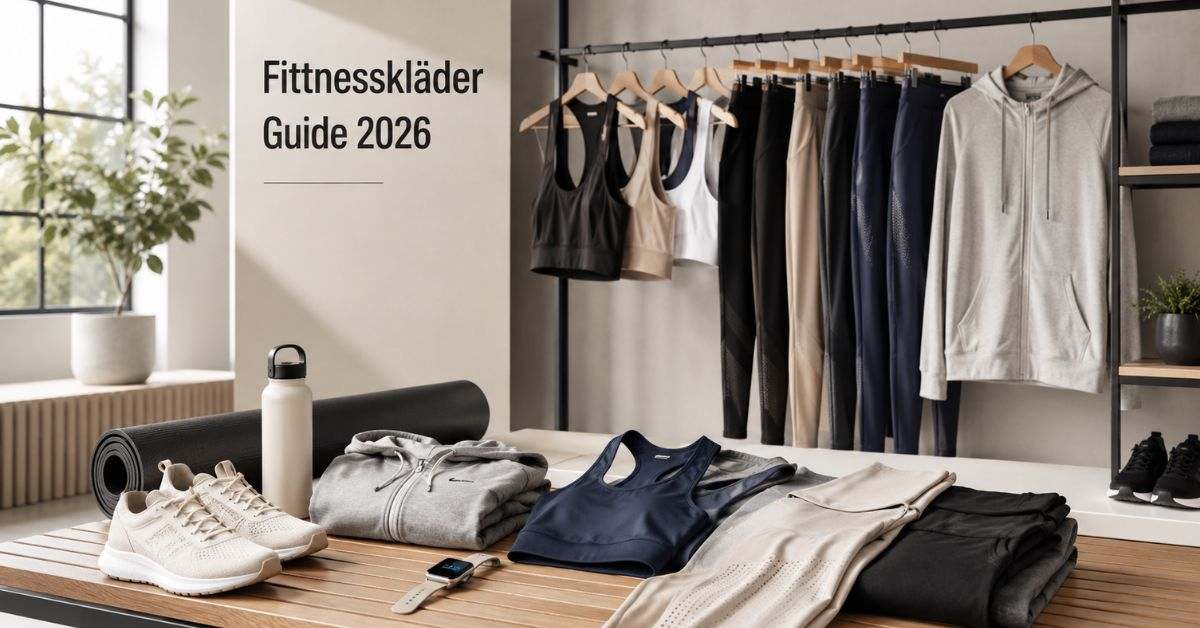
Building a capsule activewear wardrobe helps simplify your lifestyle while keeping you ready for workouts and daily activities. Instead of owning too many items, focus on a few high-quality fittnesskläder that mix and match easily such as 2–3 leggings, 2 sports bras, 3 performance tops, a hoodie, joggers, and a versatile outer layer. This approach keeps your wardrobe functional, organized, and suitable for year-round wear.
Choosing Colors and Prioritizing Quality
Opt for neutral or coordinating colors like black, gray, navy, or beige to easily mix and match your fittnesskläder for both workouts and everyday wear. Focus on quality over quantity by choosing durable stitching, moisture-wicking fabrics, and flexible materials that maintain their shape. A well-planned capsule saves money and simplifies your daily routine.
FAQs
How often should I replace workout clothes?
Every 6–24 months depending on frequency and fabric quality.
Is cotton bad for workouts?
For high-intensity sessions, yes, it traps sweat. For light activity, it’s fine.
Are expensive brands worth it?
Often yes for durability and performance technology.
How tight should activewear be?
Snug but not restrictive. You should move freely.
Can I wear activewear daily?
Yes, choose versatile athleisure styles.
Conclusion
Fittnesskläder in 2026 are about more than aesthetics, they support movement, regulate sweat, enhance confidence, and integrate seamlessly into modern lifestyle routines. From fabric technology and ergonomic fit to sustainability and seasonal layering, every detail plays a role in comfort and performance.
The right activewear empowers you to stay active and consistent. Invest in breathable fabrics, supportive fits, and versatile pieces that align with your daily life. Focus on quality, care for your garments properly, and build a capsule collection that works year-round.