

 By
By Introduction
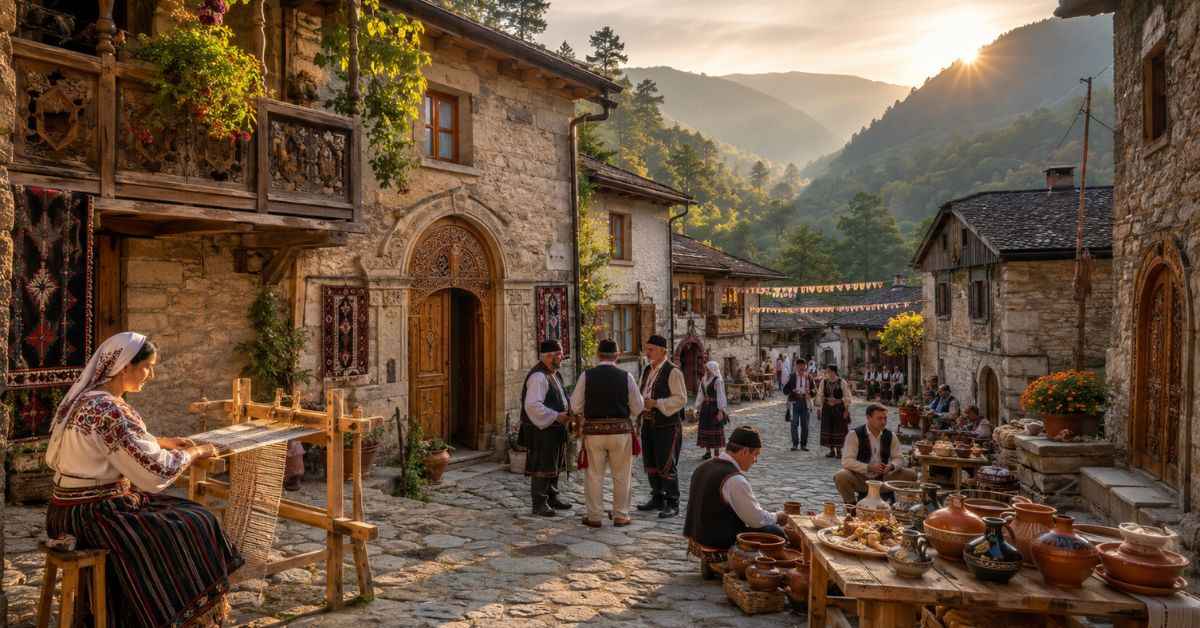
Ciulioneros’s rich cultural and historical tapestry is what makes it so charming. This hidden gem offers a unique glimpse into a world where traditions are preserved, stories are passed down through generations, and heritage remains alive in everyday life. In an era dominated by globalization and rapid modernization, destinations like Ciulioneros provide something of an increasingly rare authenticity.
Whether you’re a cultural traveler, history enthusiast, researcher, or simply someone looking for meaningful experiences, it presents a fascinating blend of historical depth and cultural vibrancy. From traditional crafts and folklore to architectural marvels and community rituals, it embodies a living museum of heritage.
In this comprehensive guide, you’ll explore the origins, cultural significance, traditions, cuisine, architecture, tourism potential, and future outlook of Ciulioneros. By the end of this article, you’ll not only understand why it matters but also how to experience it meaningfully and responsibly.
Let’s dive into the captivating world of Ciulioneros.
The Historical Roots of Ciulioneros
Understanding Ciulioneros begins with its historical foundation. Its origins trace back centuries, shaped by migration, trade, and cultural exchange.
Key historical highlights
- Ancient settlement patterns that influenced its social structure
- Influence of regional trade routes
- Preservation of oral history and ancestral narratives
- Architectural remains reflecting different historical periods
It evolved at the crossroads of civilizations. Historical documents and local oral traditions suggest that it served as a cultural meeting point, absorbing influences while maintaining its distinct identity.
Artifacts found in the region, tools, textiles, ceremonial objects indicate advanced craftsmanship and community organization. Local historians emphasize the importance of storytelling in preserving the area’s identity.
Unlike heavily commercialized destinations, it has retained much of its original character. This makes it invaluable for cultural researchers and anthropologists studying continuity in traditions. Its layered past offers visitors not just sightseeing opportunities but immersion into a living historical narrative.
Cultural Identity and Community Life in Ciulioneros
At the heart of Ciulioneros lies its people. Community life defines its cultural richness and gives the region its soul.
Core aspects of cultural identity
- Strong family and community bonds
- Intergenerational knowledge transfer
- Collective celebrations and rituals
- Respect for elders and oral traditions
The social structure emphasizes cooperation over competition. Festivals, harvest celebrations, and communal gatherings strengthen community ties. Local attire often reflects symbolic meanings colors representing prosperity, patterns indicating family lineage. Music and dance are not performances for tourists; they are essential expressions of identity.
Community governance often integrates traditional leadership with modern administrative systems, ensuring both preservation and progress. What makes Ciulioneros unique is the balance between adaptation and tradition. While embracing modern conveniences, the community remains deeply rooted in ancestral customs.
Traditional Arts and Crafts of Ciulioneros
The artistry of Ciulioneros showcases generations of skill and creativity.
Prominent crafts include
- Handwoven textiles with symbolic motifs
- Intricate wood carvings
- Pottery reflecting ceremonial and domestic use
- Handcrafted jewelry using local materials
Each craft tells a story. Textile patterns often represent historical events or spiritual beliefs. Wood carvings may depict folklore characters or protective symbols.
Below is a comparison table highlighting traditional vs. modern adaptations:
| Craft Type | Traditional Purpose | Modern Adaptation |
| Textiles | Ceremonial garments | Fashion & cultural souvenirs |
| Pottery | Cooking and rituals | Decorative home pieces |
| Wood Carving | Spiritual symbols | Art collections & décor |
| Jewelry | Status & identity markers | Contemporary accessories |
Local cooperatives now help artisans access global markets while preserving authenticity. Supporting these crafts contributes directly to cultural sustainability.
Festivals and Celebrations in Ciulioneros
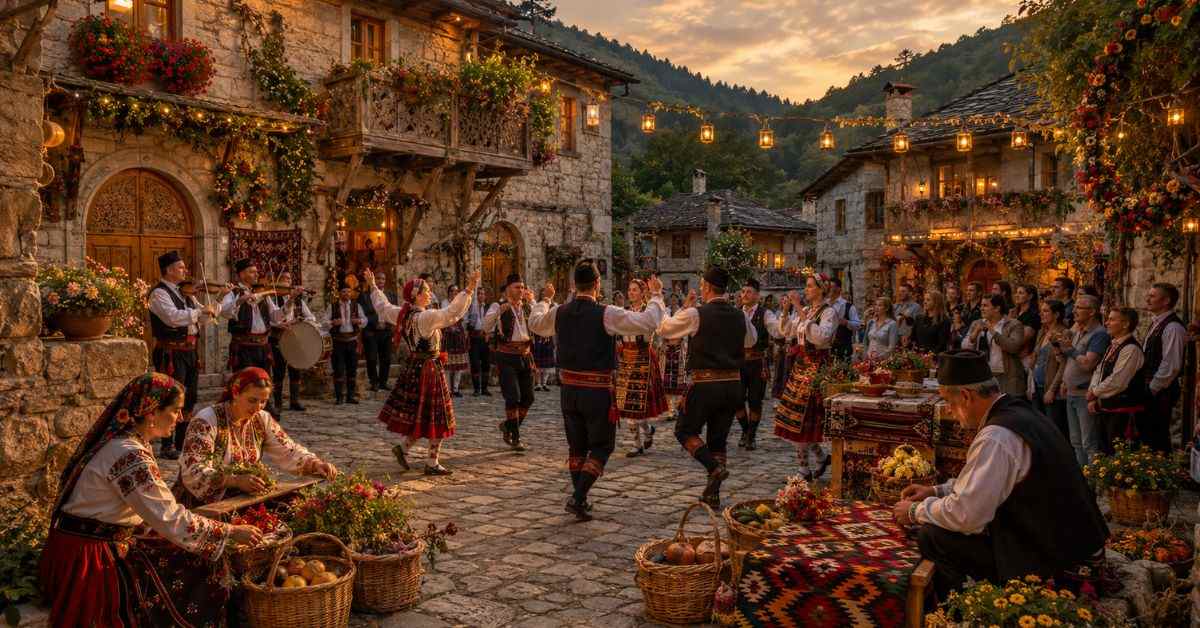
Festivals in Ciulioneros are vibrant expressions of history and spirituality.
Major elements of celebrations
- Seasonal harvest festivals
- Ancestral remembrance ceremonies
- Traditional music performances
- Ritual dances with symbolic costumes
Festivals often follow agricultural cycles, emphasizing harmony with nature. Community members prepare for weeks crafting decorations, rehearsing dances, and preparing traditional dishes. These events serve multiple purposes:
- Cultural preservation
- Social bonding
- Economic stimulation through tourism
Visitors are often welcomed warmly and encouraged to participate respectfully. Unlike commercial festivals elsewhere, celebrations maintain authenticity and sacred elements.
Architecture and Historical Landmarks
Architecture reflects resilience and artistic sophistication.
Notable features include
- Stone and wood hybrid structures
- Intricate façade carvings
- Central communal courtyards
- Religious or ceremonial buildings
Buildings are designed to suit climate conditions while incorporating aesthetic symbolism.
Case Study: Preservation Initiative
A recent restoration project focused on a 200-year-old community hall. Instead of replacing original materials, conservationists used traditional building methods, preserving structural integrity and historical authenticity.
Architectural preservation ensures that remains a living heritage site rather than a reconstructed attraction.
Cuisine: Flavors of Ciulioneros
Food in Ciulioneros is a celebration of land and tradition.
Signature elements include
- Locally sourced grains and vegetables
- Slow-cooked stews
- Fermented beverages
- Herbal infusions
Meals often symbolize hospitality and unity. Ingredients reflect seasonal availability.
| Dish Type | Main Ingredients | Cultural Significance |
| Traditional Stew | Root vegetables, herbs | Community gatherings |
| Flatbread | Local grains | Daily sustenance |
| Herbal Drink | Native plants | Medicinal & ceremonial |
Cooking methods remain largely traditional wood-fired ovens and clay pots enhance flavor authenticity. Culinary tourism is growing, with visitors seeking immersive cooking experiences.
Tourism Potential and Responsible Travel
It presents immense potential for sustainable tourism. Why it appeals to travelers:
- Authentic cultural immersion
- Eco-friendly landscapes
- Hands-on craft workshops
- Community-based experiences
Responsible tourism initiatives
- Limiting visitor numbers during sacred events
- Supporting local businesses
- Promoting cultural sensitivity guidelines
Travelers are encouraged to:
- Respect dress codes
- Seek permission before photography
- Purchase directly from artisans
Sustainable tourism ensures that it benefits economically without compromising its heritage.
Ciulioneros in the Modern World
Modernization brings both opportunities and challenges.
Positive developments
- Digital platforms promoting crafts
- Educational exchanges
- Cultural documentation projects
Challenges include
- Youth migration
- Commercialization risks
- Cultural dilution
Community leaders are implementing programs to encourage young generations to stay engaged through entrepreneurship and digital marketing. Balancing tradition with innovation remains key.
Education and Knowledge Preservation
Education plays a critical role in sustaining Ciulioneros’ heritage.
Knowledge preservation strategies
- Oral history documentation
- Cultural workshops in schools
- Apprenticeship programs
- Collaboration with academic researchers
Local institutions partner with cultural organizations to archive traditions. This structured approach ensures that intangible heritage songs, stories, and rituals remain accessible for future generations.
The Future Outlook of Ciulioneros
The future of Ciulioneros depends on thoughtful preservation and adaptive innovation.
Key priorities moving forward
- Sustainable economic development
- Youth engagement
- Global cultural exchange
- Heritage protection policies
Experts in cultural sustainability emphasize that living traditions thrive when communities maintain ownership. If nurtured responsibly, it can serve as a model for cultural resilience worldwide.
FAQs
What makes Ciulioneros unique?
Its authentic preservation of culture, traditions, and community-based lifestyle distinguishes it from commercialized destinations.
Is Ciulioneros suitable for tourists?
Yes, especially for cultural travelers interested in responsible tourism and immersive experiences.
What are the main attractions in Ciulioneros?
Traditional festivals, crafts, historical architecture, and culinary experiences.
How can visitors support local communities?
Purchase handmade goods, participate in workshops, and respect cultural practices.
Why is preserving Ciulioneros important?
It safeguards cultural diversity and offers valuable insights into sustainable community living.
Conclusion
Ciulioneros stands as a powerful reminder that culture is more than history, it is a living, breathing expression of identity. From its deeply rooted traditions and artistic craftsmanship to its communal celebrations and architectural heritage, it offers a rare opportunity to experience authenticity in an increasingly homogenized world.
As global interest in sustainable travel and cultural preservation grows, it emerges as a model for responsible heritage management. Supporting its artisans, respecting its customs, and engaging thoughtfully with its community ensures that this hidden gem continues to thrive.