

 By
By Introduction
In an era when travelers are searching for authentic, meaningful, and sustainable destinations, it emerges as a remarkable place that blends natural beauty, rich history, and vibrant culture into one unforgettable experience. Unlike overcrowded tourist hotspots, it offers an opportunity to connect with landscapes, heritage, and people in a way that feels genuine and transformative.
Xaicotum is not just defined by its scenic views or historical landmarks; it is defined by the harmony between its environment and its community. Here, traditions are not staged for display, they are lived daily. Nature is not exploited for mass tourism, it is protected and respected.
This in-depth guide explores every aspect of Xaicotum, from its breathtaking geography and historical foundations to its cuisine, arts, sustainability practices, and travel planning essentials. By the end, you’ll understand why it is gaining global recognition as a culturally rich and environmentally responsible destination and why it deserves a place on your travel list.
The Natural Beauty of Xaicotum
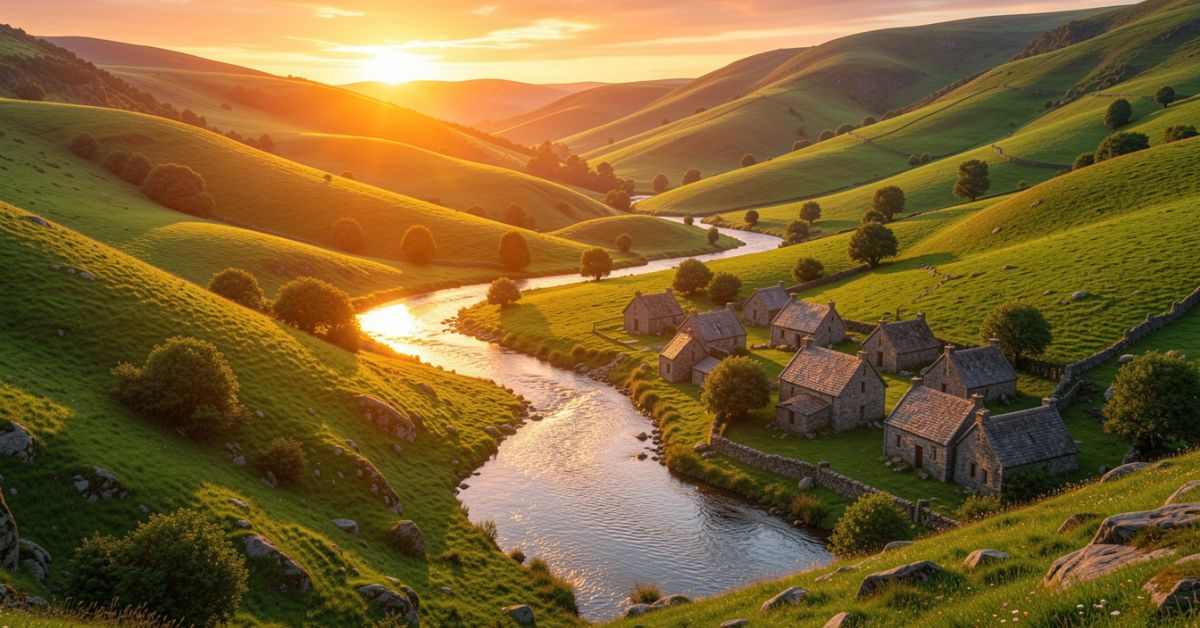
Xaicotum’s natural environment is one of its most defining features. The region is blessed with diverse landscapes that range from rolling hills to lush valleys and flowing rivers. This ecological richness makes Xaicotum a haven for nature lovers and eco-conscious travelers.
The climate remains relatively balanced throughout the year, supporting biodiversity and agricultural sustainability. Morning mist over the hills, golden sunsets across open plains, and the soothing sound of rivers create a calming atmosphere that feels untouched by rapid modernization.
Visitors are drawn to Xaicotum’s
- Scenic hiking and walking trails
- Crystal-clear rivers and waterfalls
- Wildlife habitats and birdwatching areas
- Peaceful camping and eco-lodge experiences
What sets Xaicotum apart is its commitment to conservation. Local authorities and community groups actively protect forests and water resources, ensuring tourism does not disrupt ecological balance. Compared to heavily commercialized destinations, it offers a quieter, more immersive encounter with nature.
For travelers seeking mental rejuvenation and outdoor exploration, it provides both serenity and adventure in equal measure.
The Historical Legacy of Xaicotum
Xaicotum’s history spans centuries and reflects layers of cultural evolution. Ancient settlements, trade routes, and architectural remains tell the story of a region shaped by resilience and exchange.
Walking through Xaicotum’s historical quarters feels like stepping back in time. Stone structures, preserved temples, and colonial-era buildings stand as reminders of its dynamic past. Archaeological discoveries in the area have revealed tools, inscriptions, and ceremonial objects that highlight early craftsmanship and social organization.
One notable preservation initiative transformed a deteriorating heritage site into a thriving cultural landmark.
Heritage Restoration Impact
| Indicator | Before Restoration | After Restoration |
| Annual Visitors | 8,000 | 13,000+ |
| Local Employment | Limited | 150+ Jobs |
| Infrastructure Condition | Deteriorating | Fully Restored |
This example demonstrates how heritage conservation can revitalize both cultural pride and the local economy. Xaicotum’s historical identity continues to influence its architecture, traditions, and community values today.
Cultural Vibrancy and Living Traditions
Culture in Xaicotum is not confined to museums, it is woven into everyday life. Festivals, music, dance, and storytelling remain central to community identity.
Seasonal celebrations bring neighborhoods together in colorful displays of unity and creativity. Traditional garments, handcrafted ornaments, and indigenous instruments reflect generations of inherited knowledge. Visitors often find that these events are participatory rather than performative, offering genuine interaction instead of staged entertainment.
Cultural life in Xaicotum includes
- Folk dance performances during festivals
- Community storytelling gatherings
- Traditional music using regional instruments
- Ritual ceremonies honoring ancestral heritage
These traditions are preserved through intergenerational teaching, ensuring continuity in a rapidly globalizing world. Xaicotum’s cultural vibrancy is one of the strongest reasons it continues to attract global attention.
Culinary Heritage and Local Flavors
Food in Xaicotum is a reflection of its land and history. The region’s cuisine relies heavily on seasonal produce, local farming practices, and time-honored cooking methods.
Meals are often prepared using fresh vegetables, grains, herbs, and spices grown within the community. Cooking techniques emphasize slow preparation and natural flavors rather than artificial enhancements.
Local markets serve as social hubs where visitors can observe daily life while sampling regional specialties. Signature dishes often feature herb-infused broths, stone-ground grains, and handcrafted breads.
Culinary tourism in Xaicotum stands out because:
- Ingredients are locally sourced.
- Recipes are passed down through generations.
- Meals reflect cultural rituals and community gatherings.
Dining here is not simply about taste, it’s about storytelling and connection.
Tourism Experiences in Xaicotum
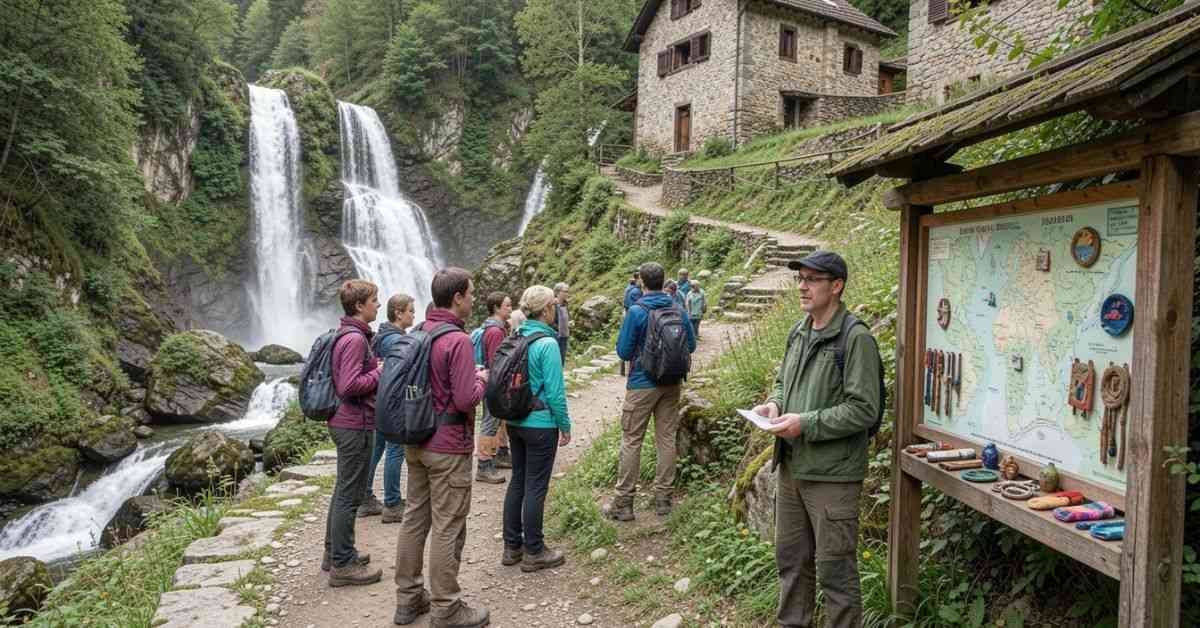
It offers a wide range of tourism experiences that appeal to different types of travelers. Whether someone seeks adventure, relaxation, or cultural immersion, the region delivers balanced options.
Visitors can explore nature reserves, join guided historical tours, or participate in artisan workshops. Unlike mass-tourism destinations, it prioritizes smaller groups and community-based engagement.
Xaicotum vs. Conventional Tourist Destinations
| Feature | Xaicotum | Typical Tourist Hotspot |
| Cultural Authenticity | High | Moderate |
| Environmental Sustainability | Strong Focus | Often Limited |
| Crowd Density | Moderate | High |
| Community Involvement | Active | Minimal |
This comparison highlights why modern travelers increasingly prefer destinations like Xaicotum.
The Lifestyle and Community Spirit
The people of Xaicotum form the true foundation of its charm. Community life revolves around cooperation, agriculture, craftsmanship, and shared celebrations.
Families often engage in traditional farming or artisan trades, maintaining economic independence while preserving heritage skills. Hospitality is a deeply rooted value, and visitors frequently comment on the warmth of local interactions.
Homestay programs allow travelers to experience the following:
- Traditional cooking practices
- Agricultural routines
- Evening storytelling sessions
Such interactions foster mutual respect and cultural exchange, strengthening Xaicotum’s identity as a welcoming destination.
Sustainability and Environmental Responsibility
Sustainability is not a marketing strategy in Xaicotu, it is a guiding principle. Development projects are carefully planned to minimize environmental impact while maximizing community benefit.
Initiatives include renewable energy adoption, water conservation systems, and eco-friendly accommodations. Local leaders collaborate with environmental organizations and follow sustainable tourism principles similar to those promoted by the United Nations World Tourism Organization (UNWTO).
Key sustainability efforts include
- Waste reduction and recycling programs
- Forest and wildlife conservation initiatives
- Education programs on environmental awareness
These measures ensure that Xaicotum remains beautiful and viable for future generations.
Arts, Crafts, and Creative Expression
Xaicotum is known for its thriving artisan community. Handwoven textiles, pottery, wood carvings, and decorative paintings reflect both functionality and symbolism.
Each handcrafted item tells a story often inspired by nature, ancestral legends, or historical events. Workshops allow visitors to learn directly from artisans, gaining appreciation for the skill and patience involved.
Creative industries contribute significantly to local income while preserving cultural identity. Unlike factory-produced souvenirs, Xaicotum’s crafts emphasize authenticity and heritage.
Xaicotum’s Growing Global Recognition
As global travel trends shift toward meaningful experiences, it is gaining international recognition. Travel writers, cultural researchers, and ecotourism advocates highlight it as a model destination.
Its rise in popularity can be attributed to its balance of preservation and progress. Instead of sacrificing heritage for rapid growth, it integrates modernization carefully and thoughtfully.
Digital exposure has increased interest, yet community leaders maintain visitor limits to prevent overtourism. This careful approach strengthens its long-term appeal.
Planning a Visit to Xaicotum
Traveling to Xaicotum requires thoughtful preparation to make the most of the experience. The best seasons are typically mild months when outdoor exploration is comfortable and festivals are in full swing.
Travelers should prioritize
- Booking local guides for historical tours
- Respecting cultural norms and traditions
- Supporting locally owned businesses
Packing essentials include comfortable walking shoes and eco-conscious travel gear. Responsible tourism ensures that visitors contribute positively to the region’s development.
Planning ahead allows you to experience Xaicotum fully immersing yourself in its landscapes, heritage, and community life.
FAQs
What is Xaicotum best known for?
Xaicotum is best known for its combination of natural beauty, historical heritage, and vibrant cultural traditions.
Is Xaicotum suitable for eco-tourism?
Yes. The region prioritizes sustainability, conservation, and responsible tourism practices.
What activities can visitors enjoy?
Visitors can explore hiking trails, heritage sites, artisan workshops, culinary experiences, and cultural festivals.
How does Xaicotum preserve its culture?
Through intergenerational teaching, community festivals, artisan craftsmanship, and heritage conservation projects.
When is the ideal time to visit?
Mild seasons offer the best weather for outdoor activities and participation in local celebrations.
Conclusion
Xaicotum stands as a rare example of harmony between nature, history, and living culture. Its landscapes inspire tranquility, its heritage sites preserve centuries of stories, and its vibrant traditions connect visitors to authentic human experiences.
What truly distinguishes Xaicotum is its commitment to sustainability and community empowerment. Rather than chasing mass tourism, it prioritizes meaningful engagement, ecological responsibility, and cultural continuity.
For travelers seeking more than just a vacation, for those seeking connection, education, and inspiration, it offers an unforgettable journey.