

 By
By Introduction
Planning a memorable celebration does not require a luxury venue, expensive décor, or a large professional team. It requires clear priorities, sensible spending, and creative choices that make guests feel welcome. Blog ThriftyEventsNet is built around this practical idea, helping readers organize enjoyable events without creating unnecessary financial pressure.
The platform focuses on DIY decorations, home budgeting, affordable party ideas, and low-cost event organization. Blog ThriftyEventsNet is especially useful for families, first-time hosts, community organizers, and small businesses that need realistic guidance rather than costly inspiration.
This guide explains how to plan an event from the first idea to the final cleanup. You will learn how to create a budget, choose a venue, manage food, compare vendors, prepare decorations, reduce waste, and handle unexpected costs. The goal is simple: spend carefully while creating a comfortable, attractive, and meaningful experience for every guest.
What Is Blog ThriftyEventsNet?
Blog ThriftyEventsNet is a digital resource for people who want to plan events on a limited or carefully controlled budget. Its content connects creative party planning with responsible money management.
The ideas can support
- Birthday and graduation parties
- Engagements and baby showers
- Weddings and anniversaries
- Holiday meals
- School or charity events
- Small business gatherings
It encourages readers to compare prices, reuse supplies, and focus on details that improve the guest experience. The message is simple: better planning matters more than higher spending.
Why Budget-Friendly Event Planning Matters
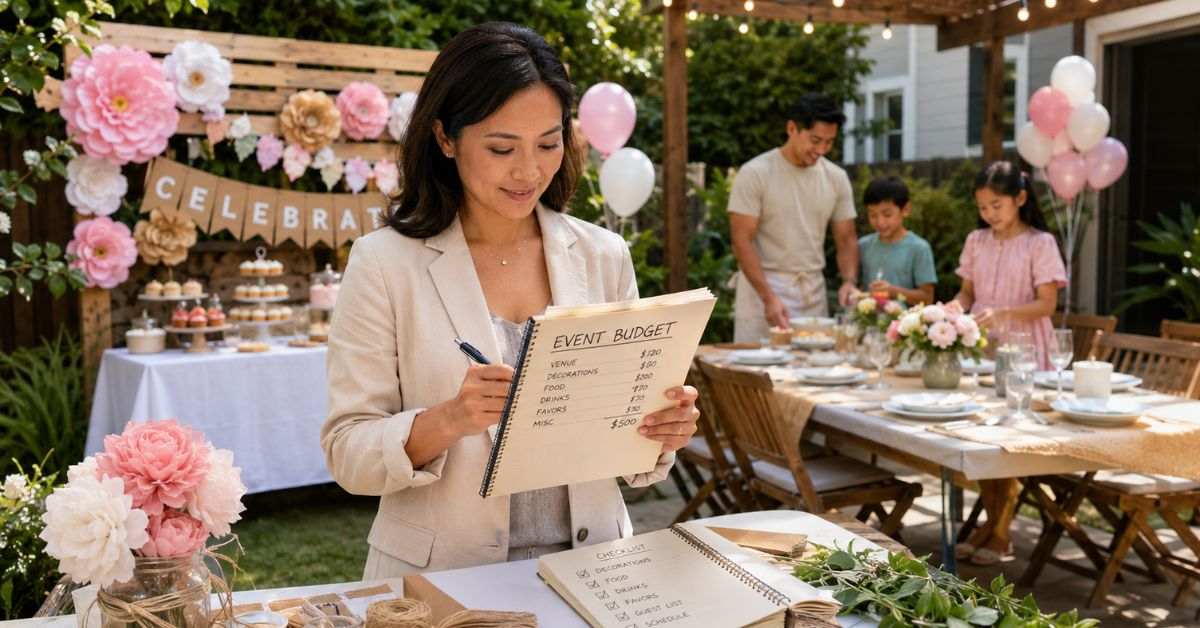
A budget is more than a spending limit. It is a plan showing where money should go and which purchases can be reduced or removed. Blog ThriftyEventsNet encourages hosts to create this plan before buying decorations, booking entertainment, or choosing a menu.
Delivery charges, extra guests, cleaning fees, printing, and last-minute supplies can quickly increase the total.
A useful budget should include
- The maximum available amount
- Estimated category costs
- Deposits and due dates
- Actual spending
- A reserve for emergencies
Essential needs such as safe food, seating, shelter, and accessibility should always come before luxury upgrades.
How to Create a Realistic Event Budget
Begin with three numbers: the total budget, expected guest count, and number of planning days available. Blog ThriftyEventsNet recommends dividing the money into clear categories so every purchase has a purpose.
| Category | Suggested Share | Main Expense |
| Venue and equipment | 20% | Space, chairs, tables, and setup |
| Food and drinks | 35% | Meals, snacks, cake, and beverages |
| Decorations | 15% | DIY materials, flowers, and lighting |
| Entertainment | 10% | Music, games, and activities |
| Invitations and photos | 5% | Printing or digital services |
| Emergency reserve | 15% | Weather or surprise costs |
Adjust the percentages to match the event. Track every payment in a notebook or spreadsheet and review the total after each purchase.
Choosing an Affordable Venue and Date
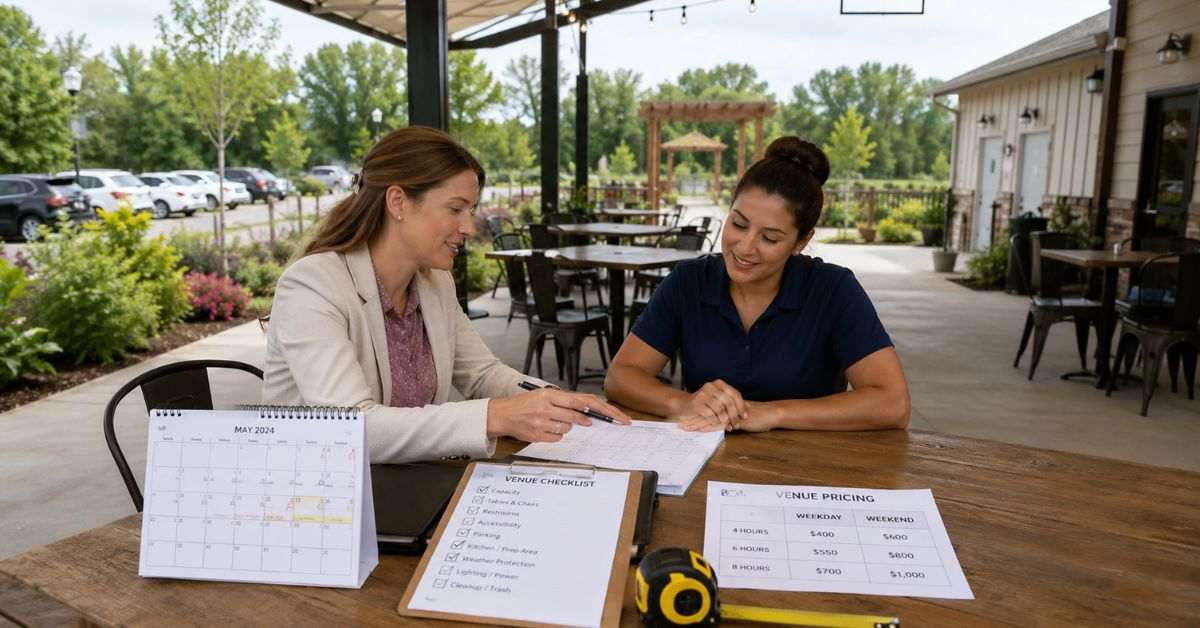
The venue is often one of the largest expenses. Before renting a private hall, compare it with a home, garden, community room, workplace, school space, or public park.
Blog ThriftyEventsNet advises checking the complete price, not only the advertised rental fee. Ask whether the package includes:
- Tables and chairs
- Cleaning and security
- Electricity and restrooms
- Parking
- Setup time
- Weather protection
- Permits or insurance
Weekday, daytime, and off-season events may cost less. Choose a space that supports guest comfort and the event’s purpose instead of paying mainly for appearance.
Making DIY Decorations Look Professional
DIY décor looks polished when it follows one clear theme. Blog ThriftyEventsNet promotes simple designs using repeated colors, clean materials, and a strong focal point.
Choose one main color and one or two supporting shades. Repeat them in table coverings, balloons, flowers, invitations, and signs.
Affordable materials include
- Glass jars
- Paper flowers
- Fabric pieces
- Reusable lights
- Wooden crates
- Photo frames
- Baskets and greenery
Focus on the entrance, cake table, dining area, and photo background. Create one sample before producing many decorations. Testing prevents waste, poor sizing, and last-minute repairs.
Saving Money on Food and Drinks
Food is often the biggest event expense. Blog ThriftyEventsNet suggests planning the menu according to the event time, confirmed guest count, kitchen space, and available help.
| Food Option | Cost | Work Required | Best For |
| Full catering | High | Low | Formal or large events |
| Drop-off catering | Medium | Medium | Convenient family parties |
| Home buffet | Low to medium | High | Small gatherings |
| Potluck | Low | Medium | Informal trusted groups |
| Snacks and desserts | Low | Low | Short afternoon events |
Choose a limited menu with popular dishes and seasonal ingredients. Never reduce food safety to save money. Store perishables correctly and identify common allergens.
Managing Invitations and the Guest List
A confirmed guest list protects the budget. Blog ThriftyEventsNet recommends keeping names, contact details, RSVP status, dietary needs, and accessibility requirements in one place.
Digital invitations reduce printing and delivery costs, though some guests may still need a printed card or phone call.
Every invitation should clearly show
- Date and time
- Venue address
- RSVP deadline
- Contact details
- Dress guidance
- Parking information
- Whether children are invited
Set the RSVP deadline before finalizing food and seating. Follow up with guests who have not replied. Knowing the real attendance number helps prevent unused chairs, excessive food, and rushed last-minute changes.
Comparing Vendors and Avoiding Hidden Costs
The lowest price does not always provide the best value. Blog ThriftyEventsNet encourages planners to compare full packages, written terms, reliability, and service quality.
Request at least two or three quotes based on the same requirements. Check:
- Delivery and collection fees
- Setup and overtime charges
- Deposit rules
- Cancellation terms
- Quantity and quality
- Replacement policies
- Verified reviews
- Previous work
Put every agreement in writing, including the service, date, timing, cost, and responsibilities. Lower the price by simplifying packages or removing unnecessary extras. Keep all receipts.
Reducing Waste Through Reuse
Saving money and reducing waste often support each other. Blog ThriftyEventsNet encourages readers to borrow, rent, reuse, and donate before buying disposable products.
Useful steps include
- Borrowing chairs and serving trays
- Renting rarely used equipment
- Using fabric tablecloths
- Saving signs and lights
- Avoiding unwanted party favors
- Using digital invitations
- Donating safe untouched food
- Setting up recycling bins
Before buying something new, check whether an existing item can serve the same purpose. Jars, frames, and leftover fabric can become useful décor. Store reusable items for future celebrations.
A Practical Low-Cost Party Example
Imagine a family planning a birthday party for 30 guests with a $600 limit. Using Blog ThriftyEventsNet ideas, they hold it in a relative’s garden, borrow tables and chairs, send digital invitations, and decorate one photo area.
Their budget includes
- Food and drinks: $230
- Cake: $70
- DIY decorations: $60
- Games: $45
- Cleaning supplies: $35
- Emergency reserve: $160
When rain is forecast, part of the reserve pays for a canopy. The party continues without debt or panic, showing that smart priorities matter more than unnecessary luxury.
FAQs
Is Blog ThriftyEventsNet suitable for beginners?
Yes. It offers practical ideas for first-time hosts, families, community organizers, and small event planners.
What topics does Blog ThriftyEventsNet cover?
It covers budgeting, DIY decorations, affordable venues, guest management, food planning, vendor selection, and low-cost celebrations.
Can DIY decorations look professional?
Yes. Use consistent colors, clean materials, accurate measurements, and one strong focal area.
How can hosts prevent overspending?
Set a maximum budget, track purchases, confirm guest numbers, compare prices, and keep an emergency reserve.
Is the cheapest option always best?
No. A good choice balances cost, safety, reliability, comfort, quality, and usefulness.
Conclusion
Blog ThriftyEventsNet shows that memorable events are created through thoughtful planning rather than unlimited spending. A clear budget, confirmed guest list, suitable venue, simple menu, and creative decorations can produce a celebration that feels organized and personal.
Begin by identifying the event’s purpose and the needs of the guests. Protect essential areas such as food safety, seating, shelter, accessibility, and cleanliness before paying for optional upgrades. Compare vendors carefully, keep written agreements, reuse useful supplies, and prepare for unexpected expenses.
The value of Blog ThriftyEventsNet comes from its realistic approach. It helps planners reduce stress, control costs, and avoid waste. Start with one planning sheet, one clear budget, and one main priority. Spending less does not mean offering less; it means using money wisely.