

 By
By Introduction
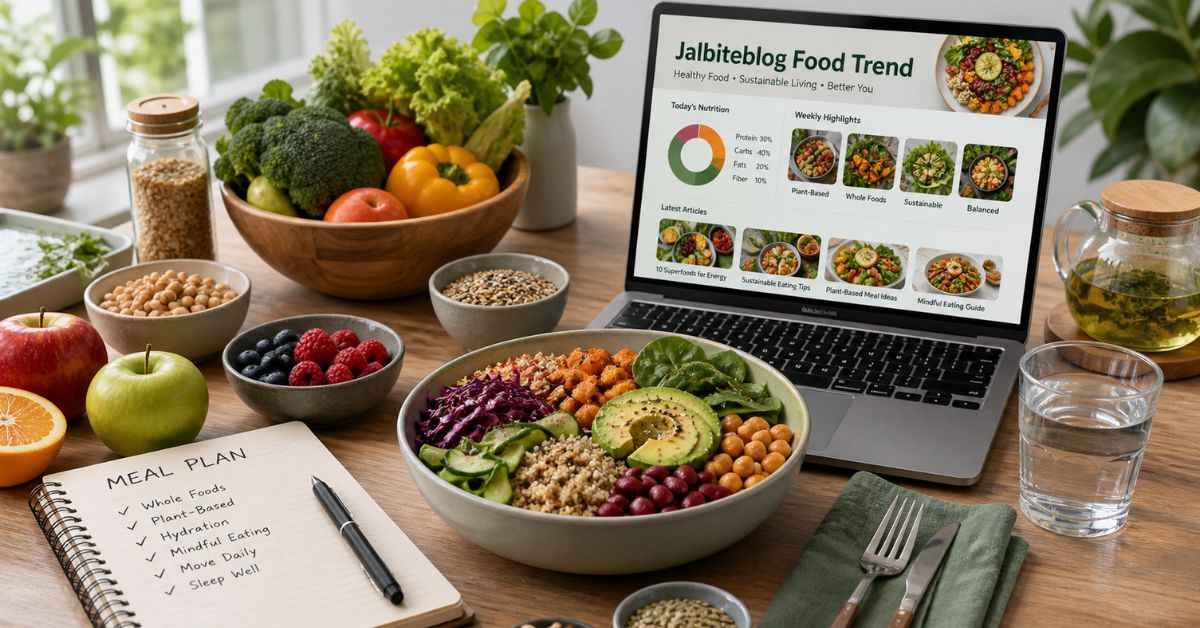
The way we eat has changed dramatically over the past decade. Consumers are no longer satisfied with food that simply tastes good, they want meals that nourish the body, support mental well-being, and align with ethical and environmental values. The Jalbiteblog Food Trend captures this transformation by blending nutritious recipes, wellness-focused insights, and practical eating strategies into one balanced lifestyle approach.
Unlike restrictive fad diets that promise rapid results, JalbiteBlog Food Trend promotes sustainable, research-backed habits. It focuses on whole foods, mindful consumption, portion awareness, and realistic meal planning. In a world filled with conflicting nutrition advice, this approach offers clarity and balance.
This in-depth guide explores the core components of the JalbiteBlog Food Trend, from plant-based eating and functional foods to sustainability and hydration. You’ll discover actionable tips, practical comparisons, and structured insights designed to help you build a healthier relationship with food without feeling overwhelmed.
Understanding the Core Philosophy of Jalbiteblog Food Trend
At its heart, the JalbiteBlog food trend is built on balance and sustainability. It does not eliminate entire food groups or enforce strict rules. Instead, it promotes conscious food decisions that can be maintained long-term.
This philosophy reflects the growing awareness that chronic diseases such as obesity, type 2 diabetes, and heart conditions are often linked to dietary patterns. Health organizations like the World Health Organization emphasize balanced nutrition and reduced ultra-processed food intake as key preventive measures.
Core principles include
- Emphasis on whole, minimally processed foods
- Balanced macronutrients (protein, healthy fats, complex carbs)
- Mindful portion control
- Inclusion rather than restriction
- Long-term lifestyle changes instead of quick fixes
The strength of this trend lies in practicality. Rather than demanding perfection, it encourages steady improvements. For example, replacing refined grains with whole grains or increasing vegetable intake gradually can significantly improve nutrient density.
By focusing on everyday habits rather than extremes, JalbiteBlog food trend makes healthy living accessible to beginners and experienced health enthusiasts alike.
Plant-Based Eating as a Central Theme
One of the strongest pillars of the Jalbiteblog food trend is plant-forward nutrition. This does not necessarily mean adopting a fully vegan lifestyle; instead, it emphasizes increasing plant-based meals while maintaining flexibility.
Plant-based eating is associated with improved heart health, better digestion, and lower environmental impact. Fiber-rich foods support gut bacteria, which play a critical role in immunity and metabolic balance.
Key plant-based inclusions often highlighted:
- Lentils, chickpeas, and beans as protein sources
- Leafy greens like spinach and kale
- Whole carbs like brown rice and quinoa
- Nuts and seeds for healthy fats
To better understand the difference between plant and animal protein sources, consider the comparison below:
Plant vs. Animal Protein Comparison
| Factor | Animal Protein | Plant Protein |
| Fiber Content | None | High |
| Saturated Fat | Often High | Low |
| Cholesterol | Present | None |
| Environmental Impact | Higher | Lower |
| Digestibility | High | Moderate |
The JalbiteBlog food trend approach recommends gradual swaps, such as using lentils in tacos instead of processed meat or incorporating tofu into stir-fries. These small changes increase nutrient intake while maintaining flavor and satisfaction.
Functional Foods and Nutrient Density
The concept of functional foods ingredients that provide health benefits beyond basic nutrition is central to this trend. Rather than chasing expensive “superfoods,” JalbiteBlog food trend encourages nutrient diversity from accessible sources.
Foods rich in antioxidants, anti-inflammatory compounds, and probiotics are frequently featured in recipes and wellness tips.
Examples commonly incorporated
- Turmeric for its curcumin content
- Berries for antioxidant protection
- Yogurt and fermented foods for gut health
- Chia and flaxseeds for omega-3 fatty acids
Research published by Harvard Health highlights that diets rich in colorful fruits and vegetables are linked to reduced chronic disease risk. JalbiteBlog food trend translates this research into practical kitchen strategies, such as adding seeds to breakfast bowls or including fermented sides with meals.
The emphasis remains on dietary patterns rather than single miracle ingredients.
Clean Eating Without Obsession
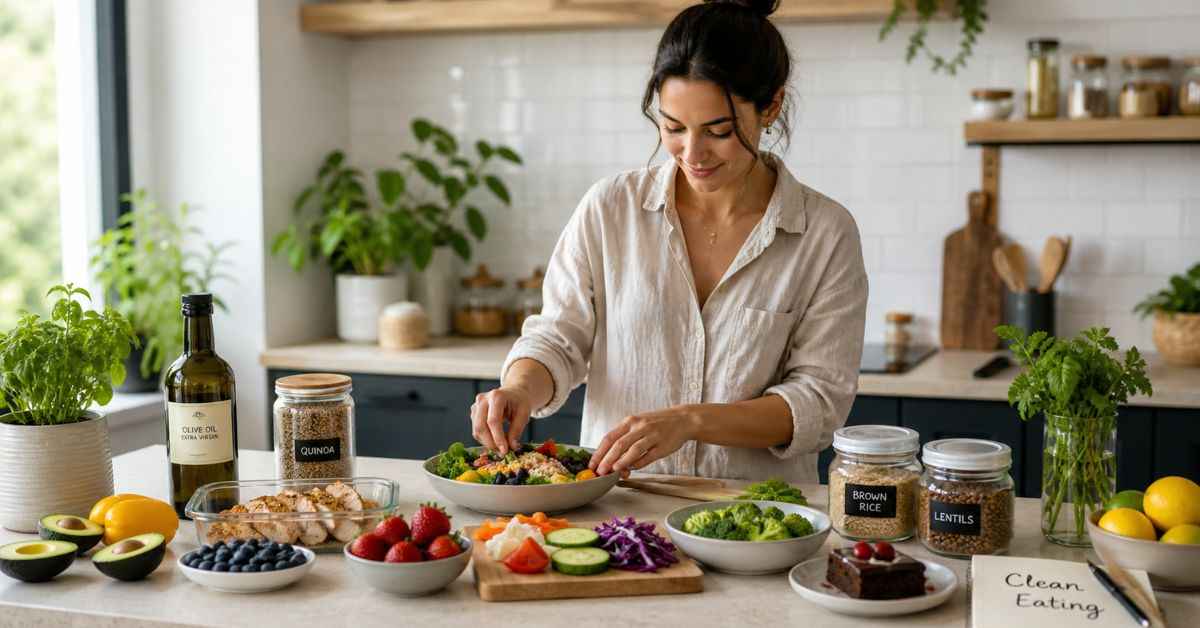
Clean eating has gained popularity, but it is often misunderstood. Within the Jalbiteblog Food Trend, clean eating means prioritizing whole foods while maintaining flexibility.
It involves reading labels, limiting added sugars, and reducing ultra-processed items. However, it avoids rigid rules that can lead to food guilt.
A practical clean eating approach may include the following:
- Choosing whole grains over refined options
- Cooking at home more frequently
- Limiting sugary beverages
- Including fresh produce in daily meals
Unlike extreme detox diets, this strategy encourages balance. Occasional treats are allowed, reinforcing the idea that healthy living is about consistency rather than perfection.
Mindful Eating and Behavioral Awareness
Modern lifestyles often encourage rushed meals and distracted eating. The Jalbiteblog food trend emphasizes mindful eating as a behavioral shift that improves digestion and satisfaction.
Mindful eating involves paying attention to hunger cues and emotional triggers. Studies in behavioral nutrition suggest that individuals who practice mindful eating may consume fewer excess calories and experience improved relationships with food.
Simple practices include
- Eating without screens
- Chewing thoroughly
- Pausing halfway through meals
- Recognizing fullness signals
This approach fosters a deeper appreciation for food while reducing overeating tendencies.
Meal Planning for Busy Schedules
One of the most practical aspects of JalbiteBlog food trend is structured meal planning. Without planning, people are more likely to rely on fast food or processed snacks.
Meal planning provides structure and reduces decision fatigue. Preparing meals in advance also supports portion control and cost savings.
Sample Weekly Balanced Meal Structure
| Day | Lunch | Dinner |
| Monday | Quinoa salad | Grilled salmon & veggies |
| Tuesday | Lentil soup | Tofu stir-fry |
| Wednesday | Chickpea wrap | Baked chicken & broccoli |
Batch cooking grains and pre-cutting vegetables can significantly streamline weekday routines.
Global Cuisine and Cultural Diversity
The Jalbiteblog food trend draws inspiration from global culinary traditions. Many traditional diets naturally align with modern nutritional science.
The Mediterranean diet, for example, emphasizes olive oil, fish, legumes, and vegetables. Japanese cuisine promotes portion control and fermented foods. Indian cooking incorporates anti-inflammatory spices like turmeric and cumin.
These cultural patterns demonstrate that healthy eating is not a new invention but rooted in tradition. By embracing diverse cuisines, individuals increase nutrient variety and prevent dietary monotony.
Sustainability and Ethical Choices
Sustainability is an important part of the Jalbite Blog food trend. Healthy eating should also support environmental well-being. Small, conscious choices can reduce your carbon footprint while improving food quality.
Simple Sustainable Habits
- Buy seasonal and locally grown produce
- Add more plant-based meals each week
- Reduce food waste through meal planning
- Store leftovers properly
- Avoid excessive plastic packaging.
- Compost kitchen scraps if possible
Even small changes like one meat-free day per week can make a meaningful difference for both health and the planet.
Hydration and Smart Beverage Habits
Hydration is often overlooked in nutrition conversations. Water plays a critical role in digestion, metabolism, and cognitive function.
The JalbiteBlog food trend approach promotes replacing sugary drinks with healthier alternatives. Herbal teas, infused water, and natural smoothies provide hydration without excessive added sugars.
Limiting high-calorie beverages can significantly reduce daily sugar intake and support weight management.
Balanced Snacking and Sustainable Indulgence
Snacking can support energy and prevent overeating when done wisely. The key is choosing nutrient-dense options instead of processed snacks.
Healthy Snack Options
- Greek yogurt with berries
- Apple with nut butter
- Mixed nuts and seeds
- Hummus with veggies
- Dark chocolate (in moderation)
Follow the 80/20 rule
- 80% whole, healthy foods
- 20% occasional treats
This balanced approach prevents cravings and supports long-term healthy habits without strict restrictions.
FAQs
Is Jalbiteblog Food Trend a diet plan?
No, it is a flexible lifestyle approach centered on balanced nutrition and sustainable habits.
Can beginners follow this approach easily?
Yes. It encourages small, manageable changes rather than drastic restrictions.
Does it support weight management?
Yes. Balanced meals and mindful eating naturally support healthy weight goals.
Are expensive superfoods required?
No. Everyday whole foods provide sufficient nutrients when consumed consistently.
How can I start implementing it today?
Begin by planning meals, increasing vegetable intake, and reducing processed foods gradually.
Conclusion
The Jalbiteblog food trend represents a shift toward intelligent, sustainable, and balanced eating. It blends plant-forward nutrition, mindful habits, global inspiration, and environmental awareness into a practical lifestyle model.
Rather than chasing short-term diet trends, this approach promotes realistic improvements that align with scientific research from trusted institutions such as the WHO and Harvard Health. By focusing on whole foods, portion awareness, hydration, and meal planning, individuals can create lasting health benefits.